

Modernizing Non-Profit Accounting: The Shift to Cloud-Based Grant and Fund Management
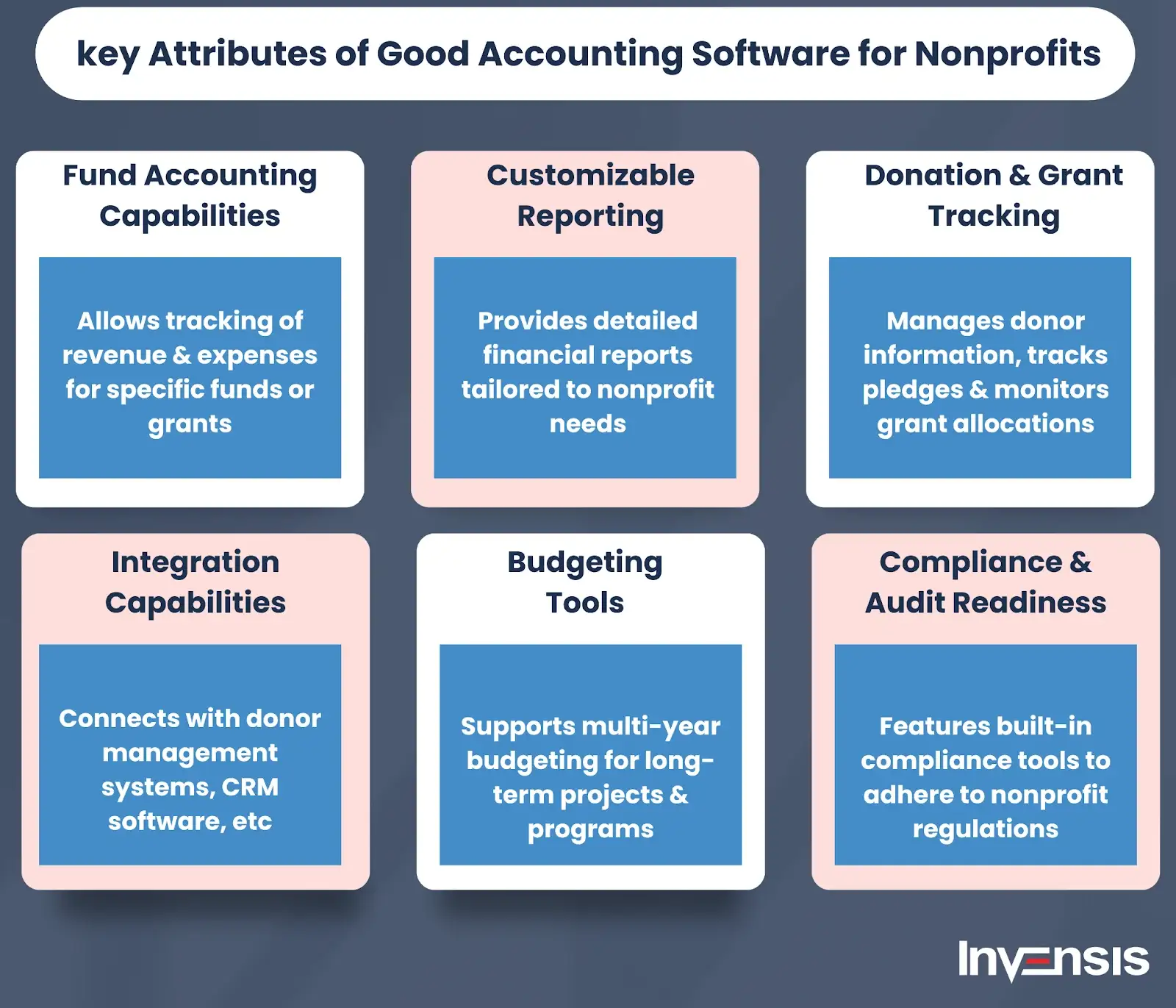
Let’s be honest. For many non-profit finance teams, “accounting software” still means a desktop icon for a program that hasn’t had a meaningful update in years. Spreadsheets multiply like rabbits. Grant reporting feels like a high-stakes treasure hunt through digital filing cabinets. And getting a real-time picture of restricted funds? Well, that often requires a séance.
That’s the old way. And it’s crumbling. A modern approach—cloud-based grant and fund management—isn’t just a tech upgrade. It’s a fundamental shift in how organizations steward their resources, build trust, and ultimately, focus on their mission. Here’s the deal: the cloud is changing the game.
Why Sticking with Legacy Systems is Actually Riskier
We get it. Change is hard. That old system is familiar, like a creaky but comfortable chair. But in today’s landscape, familiarity breeds risk. Manual data entry leads to errors. Siloed information creates blind spots. And when an auditor or a major donor asks for detailed fund accountability, scrambling for a week isn’t just stressful—it erodes confidence.
Think of it like navigating a complex river system with an old, static paper map. A cloud-based system, in contrast, is like having a live GPS on that river. You see the currents (cash flow), the tributaries (individual grants), and potential obstacles (budget variances) in real-time. You can’t afford the paper map anymore.
The Core Pain Points Cloud Systems Solve
What exactly does this modernization fix? A few critical things:
- The Spreadsheet Spiral: Endless, version-controlled, formula-broken Excel files for tracking budgets vs. actuals for each grant.
- Fund Fragmentation: Struggling to enforce restrictions and ensure donor dollars are spent exactly as intended, without constant manual policing.
- Reporting Agony: Spending days, not minutes, compiling data for board reports, grantors, and Form 990. It’s tedious, error-prone work.
- Collaboration Chaos: Program managers can’t see their budget burn rate. Leadership gets outdated snapshots. The finance team becomes a bottleneck of information requests.
How Cloud-Based Management Transforms the Workflow
Okay, so what does this look like in practice? It’s more than just accessing QuickBooks online. True cloud-based fund accounting is built for the unique, complex structure of non-profit finances.
1. Granular Fund Tracking from Day One
Every dollar that comes in can be tagged immediately—by grant, donor, project, and restriction. This isn’t an afterthought; it’s the foundation. You set up the “buckets” digitally, and the system ensures transactions land in the right one. It automates the compliance piece that keeps you up at night.
2. Real-Time Visibility & The Death of the Month-End Close Panic
This is a game-changer. Your executive director can log in and see the financial health of the “Youth STEM Initiative” grant right now. The board finance committee has access to a live dashboard. There’s no more waiting for the finance team to “close the books” to get a semi-accurate picture. The books are always… well, not closed, but transparent.
3. Streamlined Grant Lifecycle Management
Cloud systems often integrate proposal budgeting, award tracking, expense allocation, and reporting into one seamless flow. You can generate a funder report with a few clicks, pulling live data directly from your general ledger. It turns a multi-day ordeal into a task you can handle before your second coffee.
| Traditional Method | Cloud-Based Method |
| Budget tracked in a separate Excel file | Budget lives natively in the accounting system |
| Manual journal entries to allocate expenses | Automated allocation rules based on transaction coding |
| Data pulled from multiple sources for reports | Single source of truth generates reports instantly |
| Access requires being in the office or VPN | Secure access from anywhere, on any device |
Beyond Efficiency: Building Trust and Transparency
Sure, the efficiency gains are massive. But the bigger win is intangible: trust. When you can demonstrate flawless stewardship with clarity and speed, you strengthen relationships. Donors see exactly how their money was used. Grantors receive clear, auditable reports. Your team operates with confidence, not confusion.
It’s a signal—to your staff, your board, your supporters—that you take financial integrity as seriously as your mission impact. In a sector competing for limited resources, that transparency isn’t just nice; it’s a strategic advantage.
Making the Shift: It’s a Journey, Not a Flip of a Switch
Adopting a new system isn’t trivial. It requires planning, buy-in, and a bit of grit during the transition. But the path is well-trodden now. Start with a clear assessment of your current pain points. Involve program staff in the selection process—they’re key users. And look for a vendor that understands non-profit accounting, not just generic business accounting.
Prioritize clean data migration and training. Honestly, the training piece is critical. It’s the difference between people using the new system and them quietly reverting to old spreadsheets out of frustration.
The Future is Integrated (And Already Here)
The leading edge of this modernization is integration. Your cloud fund accounting platform talking directly to your donor CRM, your payment processors, your payroll system. This creates an ecosystem where data flows automatically, eliminating redundant entry and creating a holistic view of your organization’s health.
Imagine a major gift coming in through your online portal. It’s instantly recorded in the CRM and creates the appropriately restricted fund in the accounting software—without a human having to bridge the gap. That’s the promise. It’s not science fiction; it’s what modern non-profits are building right now.
So, the question isn’t really if you should modernize. It’s when. The tools have matured. The need for transparency has intensified. And the opportunity to redirect countless hours from administrative tedium back to mission-driven work… well, that’s the most compelling argument of all. In the end, modern accounting isn’t about numbers on a screen. It’s about clarity. It’s about trust. And ultimately, it’s about ensuring every possible resource flows to the cause you serve.


